Time-Travel Narratives
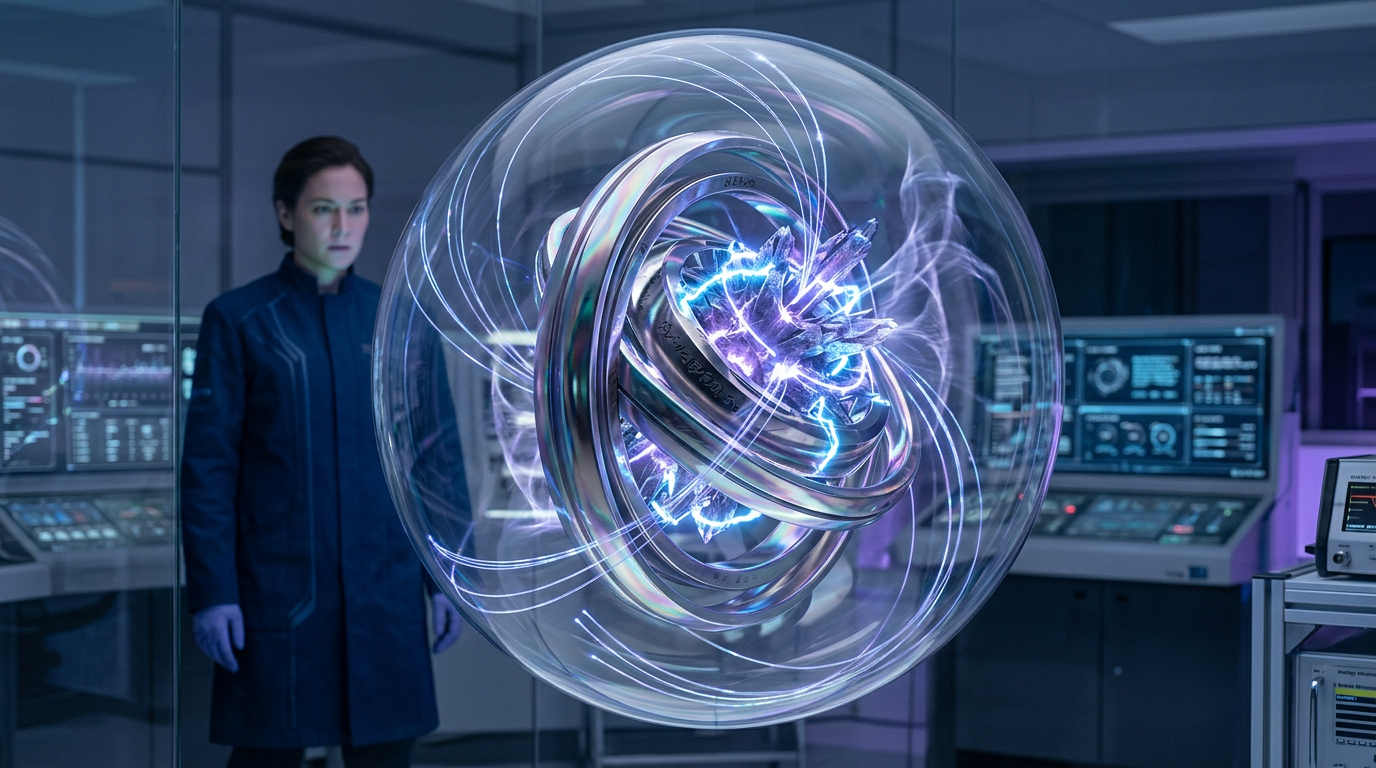
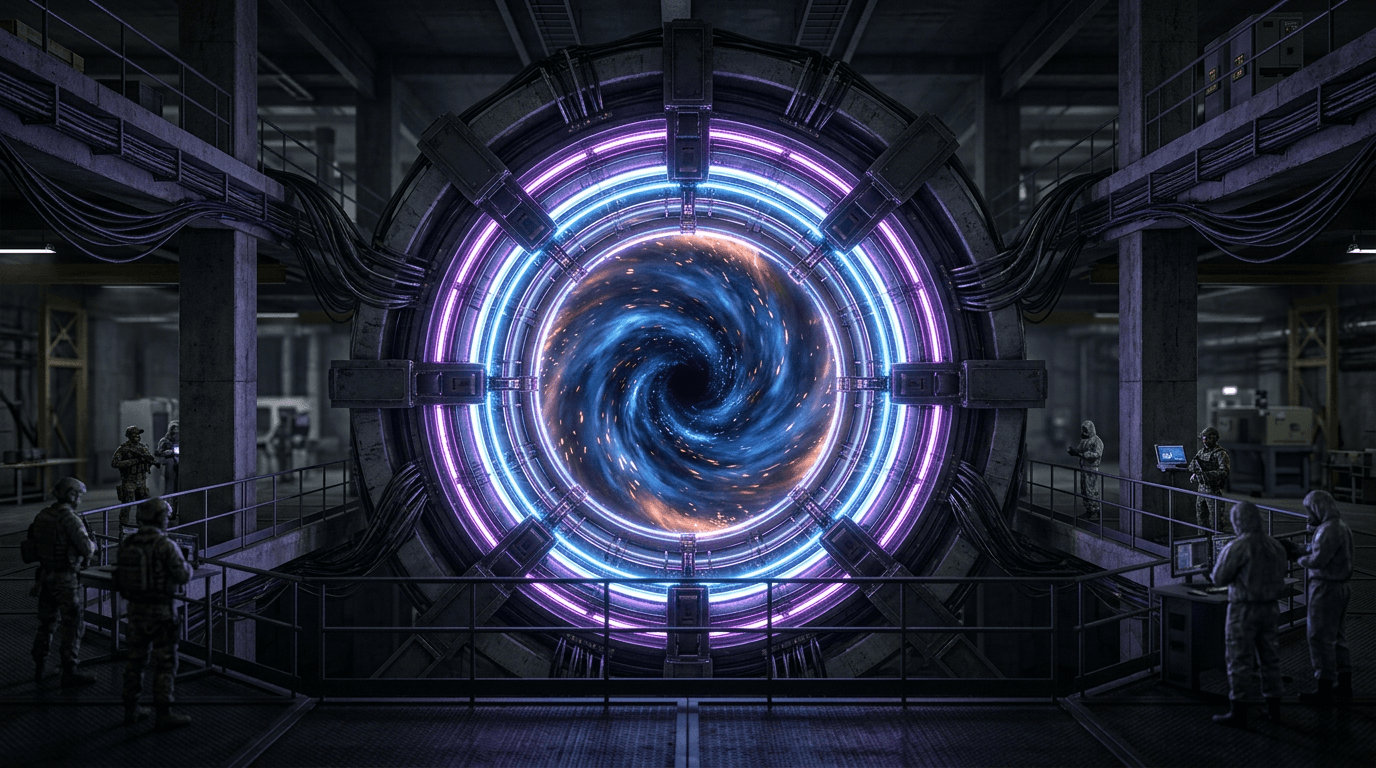
Time-travel narratives represent a persistent category of technological folklore centered on alleged classified military programs that purportedly achieved temporal manipulation through exotic physics and electromagnetic phenomena. These accounts typically describe elaborate experimental apparatus—electromagnetic field generators, rotating singularity containment systems, psychotronic amplification devices, and dimensional portal technology—operating within secretive military installations. The technical frameworks invoked draw from legitimate physics concepts including Einstein-Rosen bridges, Tipler cylinders, and electromagnetic field theory, but extrapolate these into speculative configurations that mainstream physics considers implausible or impossible. What distinguishes these narratives from pure science fiction is their presentation as suppressed historical fact, complete with specific dates, military designations, and technical specifications that lend an air of documentary authenticity to fundamentally unverifiable claims.
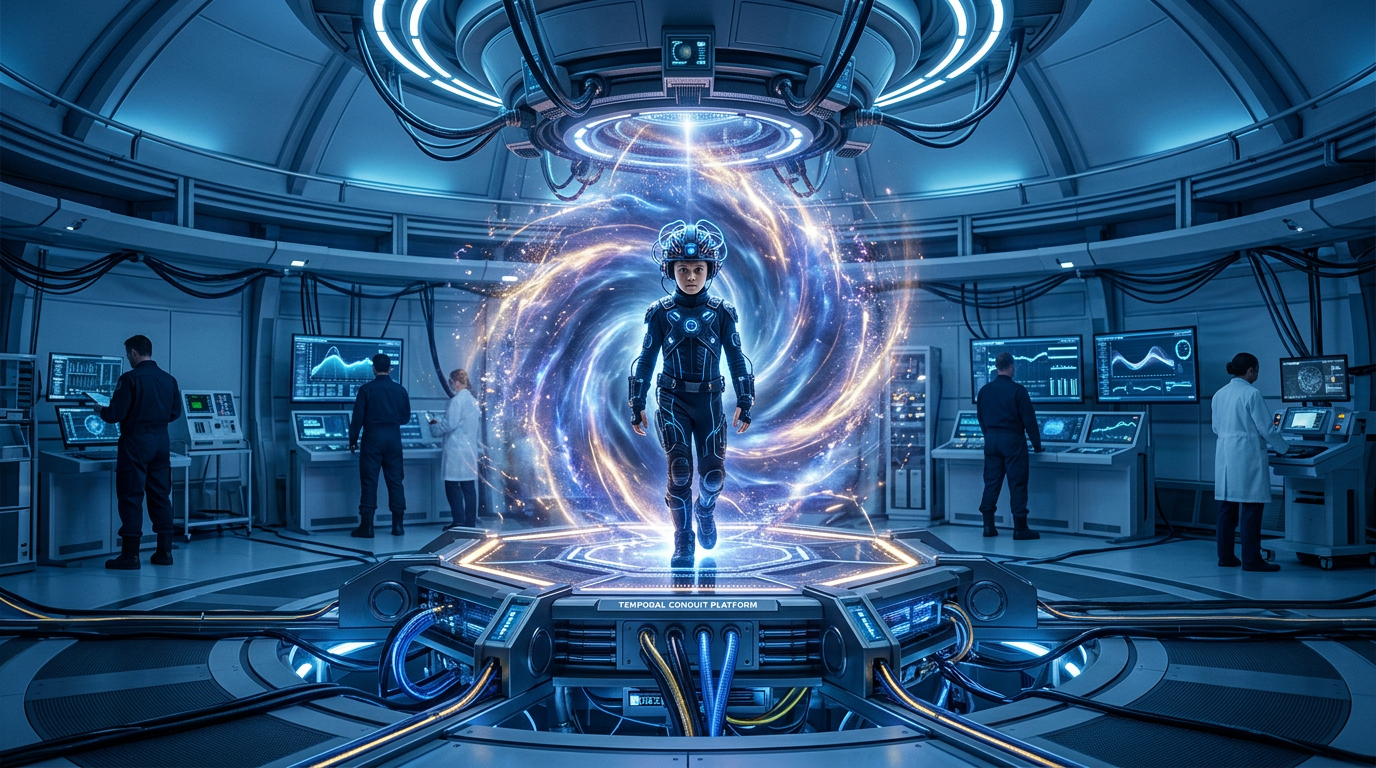
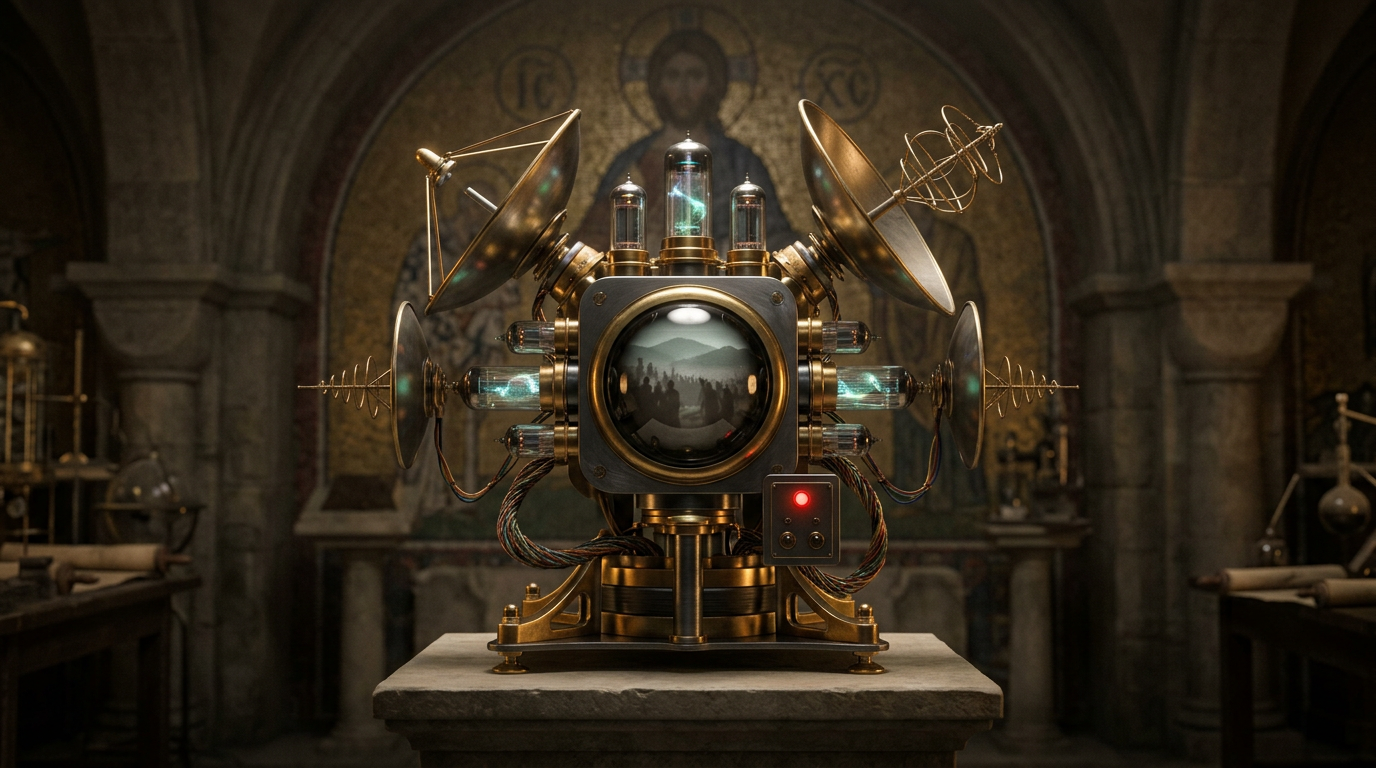
These narratives address a cultural fascination with governmental secrecy and the possibility that breakthrough technologies exist beyond public knowledge. The Philadelphia Experiment mythology, originating in the 1950s and claiming a 1943 naval invisibility test caused unintended teleportation, established a template of military experiments producing catastrophic unintended consequences. The Montauk Project accounts expanded this framework during the 1980s, alleging that decommissioned radar facilities housed time portal research combining electromagnetic technology with psychic enhancement. The John Titor case represented an internet-age evolution, presenting detailed technical specifications for a purported military time displacement device alongside predictions and historical claims. Each narrative reflects anxieties of its era—Cold War military-industrial secrecy, Reagan-era defense spending opacity, and millennium-era concerns about technological acceleration and information control. They function as modern mythology that processes collective uncertainty about classified research programs and the pace of technological change.
Critical investigation consistently reveals these accounts as unfounded. Naval records demonstrate the USS Eldridge was never in Philadelphia during the alleged experiment timeframe. Camp Hero operated as a conventional Air Force radar station with no evidence of exotic research programs. Forensic analysis of the Titor posts revealed inconsistencies and technical errors suggesting an elaborate role-playing exercise rather than genuine time-traveler communications. Despite thorough debunking, these narratives persist within alternative research communities and continue generating derivative claims. Their endurance reflects not technological reality but rather their effectiveness as narrative frameworks for exploring themes of governmental overreach, suppressed knowledge, and humanity's relationship with time itself. As cultural artifacts, they illuminate how technological speculation, conspiracy thinking, and legitimate concerns about classified programs can synthesize into persistent alternative histories that resist factual correction, instead evolving to incorporate new technological concepts and contemporary anxieties about emerging fields like quantum computing and artificial intelligence.